- Official name: Maenam Chao Phraya
- Length: 372 km (231 miles)
- Source: Confluence ofPing and Nan Rivers
- Meaning: The river of kings
- Significance: Central to Thai culture, economy, and history
- Native species: Asian Openbill, Striped Pangasius catfish, and the Giant Pangasius catfish
All about the Chao Phraya — The River of Kings
The Chao Phraya River | Everything You Need to Know
The Chao Phraya, translating to "River of Kings," is Thailand's major waterway, stretching 372 kilometers from the central plains to Bangkok and the Gulf of Thailand. Formed by the confluence of the Ping and Nan rivers, it flows through the fertile alluvial plain that is the heart of the country.
Historically, the Chao Phraya served as a vital transportation route for rice and teak, and its network of canals facilitated irrigation and trade. Today, it remains a key artery for public ferries and tourist cruises. Its banks are adorned with iconic landmarks like the Grand Palace and Wat Arun, making it a cultural and scenic highlight of Bangkok.
Quick facts about the Chao Phraya River
Top things to do on the Chao Phraya River

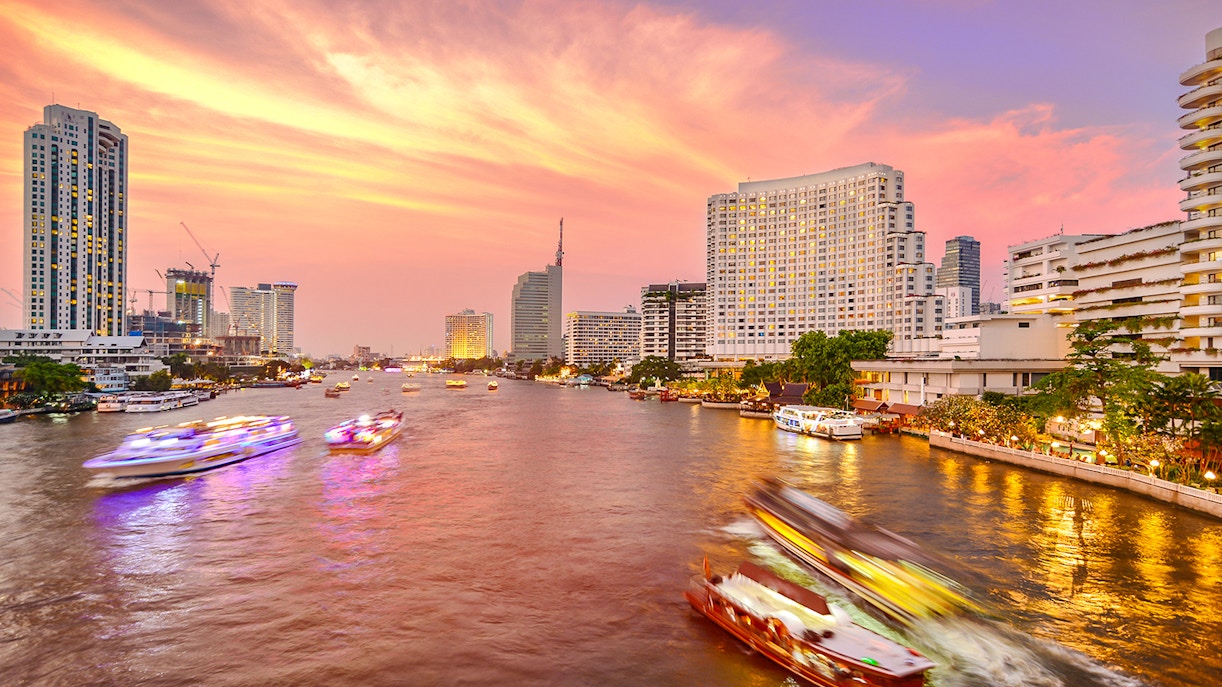
Sunset cruises
Spot landmarks like Grand Palace and Wat Arun from the water, blanketed in the golden orange hues of the sun. Enjoy a gorgeous sunset behind the Bangkok skyline with complimentary refreshments.



Top sights to see along the Chao Phraya River

Wat Arun
Named for the Hindu god of dawn, Aruna, the Temple of Dawn is famous for its 82-meter prang (spire) shimmers with colorful ceramic tiles depicting the Ramayana epic.
Grand Palace
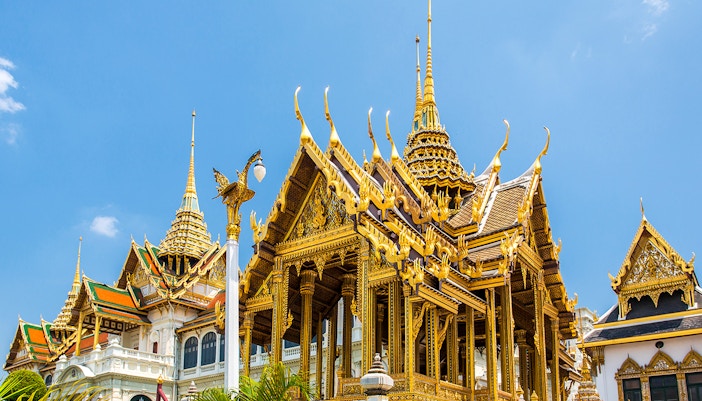
The former Thai royalty residence, you’ll see the best of Siamese architecture. Its fame centers around Wat Phra Kaew, housing the revered Emerald Buddha statue, a national treasure carved from a single piece of jade.
Wat Pho
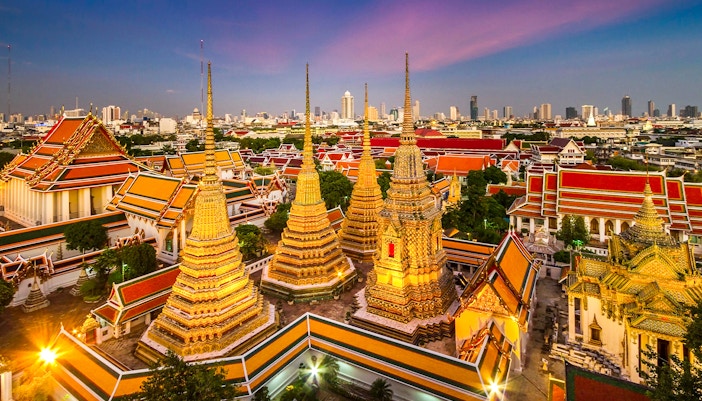
One of the largest and oldest temple complexes in Bangkok. It houses a massive 46-meter reclining Buddha statue. The intricately detailed statue, with its mother-of-pearl inlaid soles, is bathed in the warm glow of the temple's lighting.

Rama VIII Bridge
Nicknamed "The Dragon Bridge" for its intricate design, it stretches 237 meters across the river. Catch its dazzling reflection on the water's surface with over 150,000 twinkling lights.
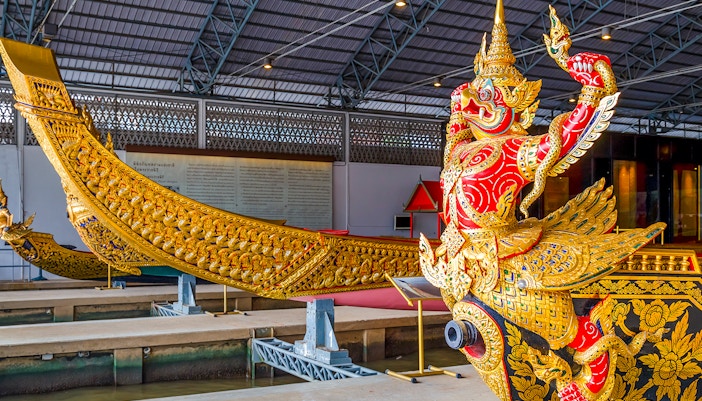
Royal Barges Museum
A museum that houses a collection of opulent royal barges used in ceremonial processions. Ornately decorated vessels offer a glimpse into Thai royal heritage.
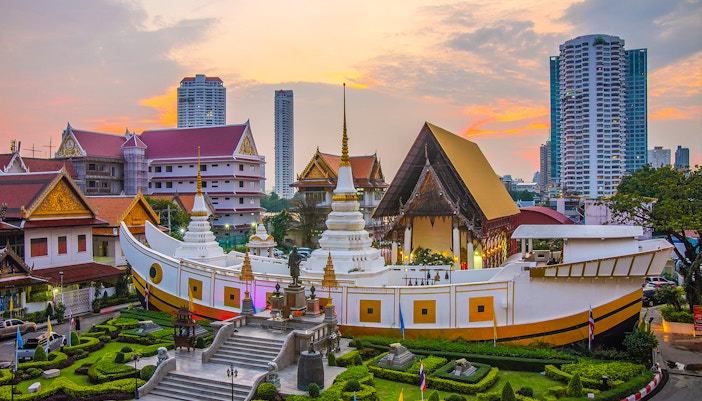
Yannawa temple
This lesser-known but culturally significant 18th-century temple is known for its beautiful ordination hall adorned with intricate stuccowork and colorful murals.
A short history of the Chao Phraya River
The Chao Phraya River has been witness to the rise of ancient civilizations, serving as the cradle of early settlements in Southeast Asia. From the 7th to the 11th century, it played a pivotal role in the Mon kingdom and the Dvaravati civilization. The river's importance continued through the Lavo kingdom, shaping the foundations of the Ayutthaya Kingdoms. In 1782, the establishment of Rattanakosin (Bangkok) on the east bank further solidified the river's significance, providing protection against Burmese invasions and laying the groundwork for modern Thailand, formerly known as Siam. The Chao Phraya's historical currents run deep, mirroring the dynamic evolution of the region.
Cultural & economic significance of the Chao Phraya River

The Chao Phraya River bears profound cultural and economic significance, intricately woven into the fabric of the city it traverses. Initially chosen for its fertility and abundant fish by early settlers, its historical journey unfolded as King Taksin, post the fall of Ayutthaya, established his new capital, Thonburi, on the western banks. In 1782, King Rama I deemed the eastern banks more favorable, founding modern Bangkok and embellishing it with enchanting temples. Today, the Chao Phraya is a vital transportation route, hosting a network of river buses, ferries, and water taxis, facilitating over 15 boat lines in the city.
Hidden gems along the Chao Phraya River
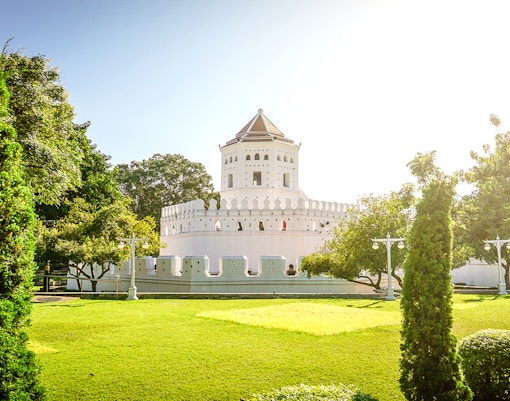
Phra Arthit Road
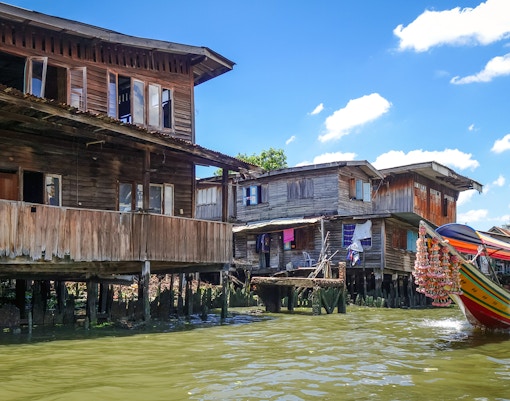
Thonburi Canals
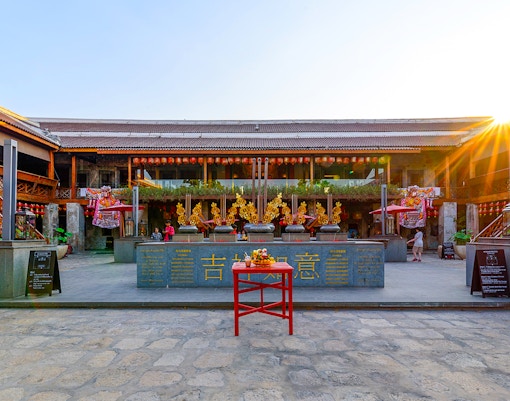
Lhong 1919
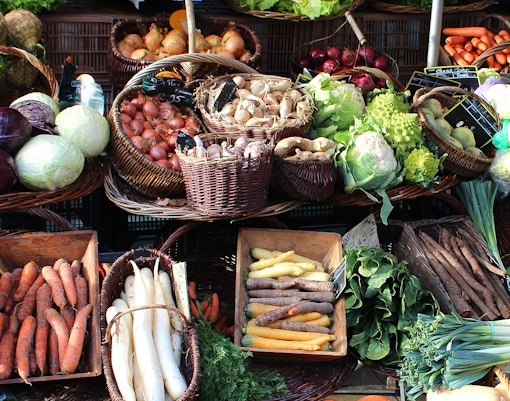
Saphan Phut Market
The Chao Phraya River today
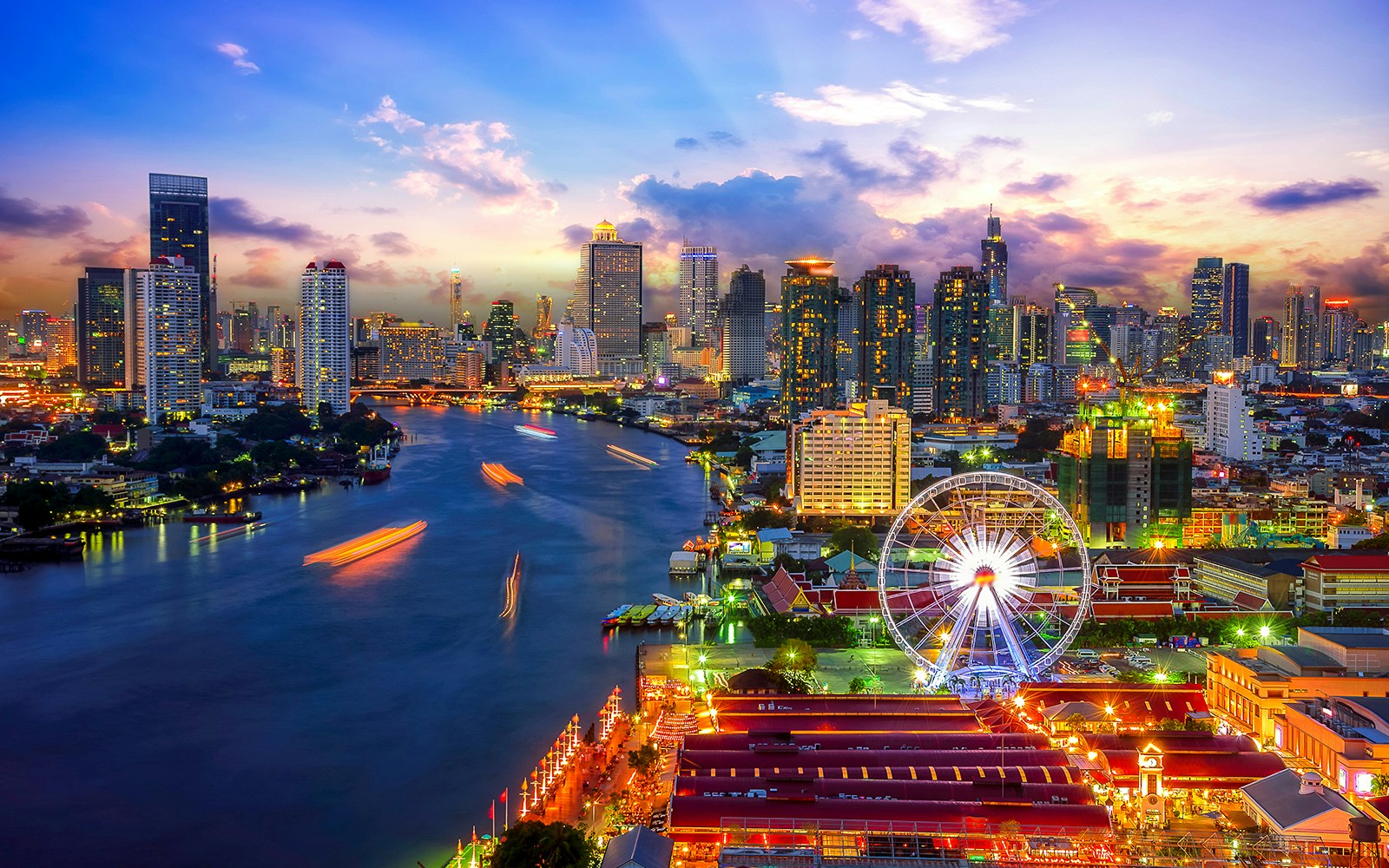
Today, the Chao Phraya remains a lifeline for Bangkok, weaving through the city's urban landscape and connecting historical landmarks. Serving as both a cultural and economic hub, the river hosts vibrant festivals and supports a network of river transport. Modern developments, such as luxury hotels and commercial complexes along its banks, and major bridges like the Bhumibol Bridge and Taksin Bridge, showcase the evolving face of the Chao Phraya. This dynamic waterway continues to be a symbol of Thailand's rich heritage, blending tradition with contemporary vitality.
Frequently asked questions about the Chao Phraya River
The Chao Phraya is a major river in Thailand, winding through the heart of Bangkok, and holds historical and cultural significance for the region.
The Chao Phraya River stretches approximately 372 kilometers, making it one of the most prominent rivers in Southeast Asia.
The river originates from the confluence of the Ping and Nan rivers, contributing to its rich and diverse ecosystem.
Explore iconic landmarks like Wat Arun, Wat Pho, and the Grand Palace for a cultural immersion along the riverbanks.
The best times to visit during the dry season (November to February) for pleasant weather and clear skies, enhancing your river experience.
You can get around the river by using river buses, ferries, and water taxis, providing an efficient and scenic mode of public transportation.
Yes, Chao Phraya cruises are generally safe, offering a delightful way to witness the city's landmarks illuminated at night.
Yes, you can explore local neighborhoods, museums, and markets like Thonburi Canals, Thewet, Phra Arthit Road, and Saphan Phut Market for a more authentic experience.
Chao Phraya river cruise prices vary, ranging from budget-friendly options that start at ฿650 to more luxurious experiences, catering to different preferences.
Choose from dinner cruises with cultural shows and sunset cruises, each offering a unique perspective of the river and the city of Bangkok.
Yes, you can celebrate both traditional festivals and modern events like the Western New Year along the banks of Chao Phraya. The Loy Krathong Festival is a spectacular event celebrated along the river, featuring floating lanterns and cultural festivities.
Absolutely. You can indulge in delectable local cuisine at riverside stalls or upscale restaurants like those at the Asiatique Riverfront, offering a delightful culinary experience with a view.


